
What are the recycling indicators in Ann Arbor?
The environmental staff at the city of Ann Arbor is writing a series of stories on the indicators it uses to make Tree Town a leader when it comes to recycling. This is second part of the series that explores the whole waste stream for the city.Excerpt:With the closing of the 2009 holiday season, and many of us surrounded by lots of new “stuff” – including the associated boxes and packaging – and even a few of us with New Year’s resolutions to “simplify” our life in the coming new year, it seems like a good time to talk about all of the stuff we buy, use, reuse, recycle, and then throw out in Ann Arbor.This year, coincidentally, is also the start of our 40th year of recycling in Ann Arbor, starting with a drop off station at Arborland in 1970, some curbside collection in 1978, and in 1991, an environmental bond that brought curbside collection to all Ann Arbor residents.This installment of the series summarizes our environmental indicators on municipal solid waste (MSW) – the total amount of waste that is landfilled, composted, or recycled in our community.Putting waste into a landfill has financial and environmental costs. So we look to recycling and composting rates as a measure of success, because recycling and composting divert waste from landfills. Recycling is also one of the least expensive ways for the city to reduce its carbon footprint. The energy used to recycle materials is typically far less than the energy used to create products from virgin materials.Achieving our current goal of 60% diversion, and our ultimate goal – to produce zero waste – will require more hard work.Read the rest of the story here.
The environmental staff at the city of Ann Arbor is writing a series of stories on the indicators it uses to make Tree Town a leader when it comes to recycling. This is second part of the series that explores the whole waste stream for the city.
Excerpt:
With the closing of the 2009 holiday season, and many of us surrounded by lots of new “stuff” – including the associated boxes and packaging – and even a few of us with New Year’s resolutions to “simplify” our life in the coming new year, it seems like a good time to talk about all of the stuff we buy, use, reuse, recycle, and then throw out in Ann Arbor.
This year, coincidentally, is also the start of our 40th year of recycling in Ann Arbor, starting with a drop off station at Arborland in 1970, some curbside collection in 1978, and in 1991, an environmental bond that brought curbside collection to all Ann Arbor residents.
This installment of the series summarizes our environmental indicators on municipal solid waste (MSW) – the total amount of waste that is landfilled, composted, or recycled in our community.
Putting waste into a landfill has financial and environmental costs. So we look to recycling and composting rates as a measure of success, because recycling and composting divert waste from landfills. Recycling is also one of the least expensive ways for the city to reduce its carbon footprint. The energy used to recycle materials is typically far less than the energy used to create products from virgin materials.
Achieving our current goal of 60% diversion, and our ultimate goal – to produce zero waste – will require more hard work.
Read the rest of the story here.
Related Articles
On-Demand Coaching helps Ypsi’s government and small businesses build a winning team
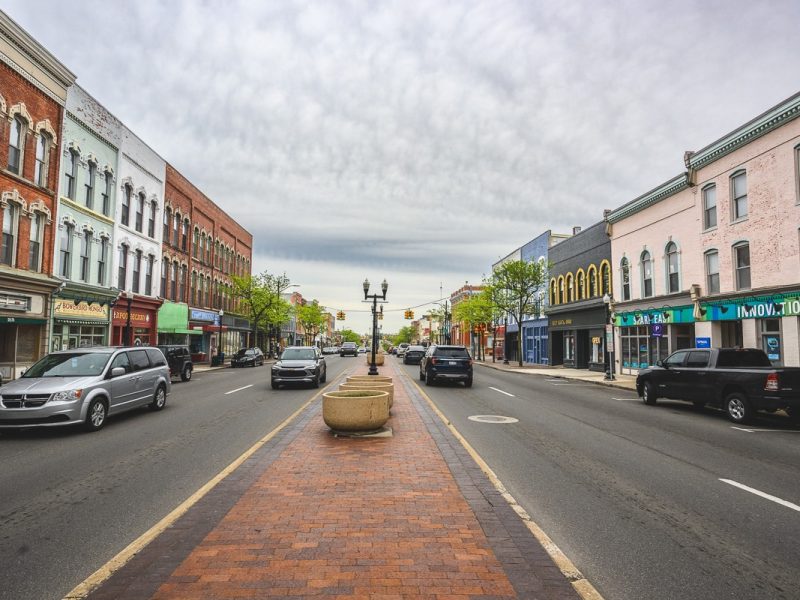
A Michigan Municipal League program helps Ypsi and other municipalities connect small businesses and entrepreneurs with existing capital and technical assistance.
Ann Arbor DDA expands its boundaries for first time, enabling new projects on city’s North Side
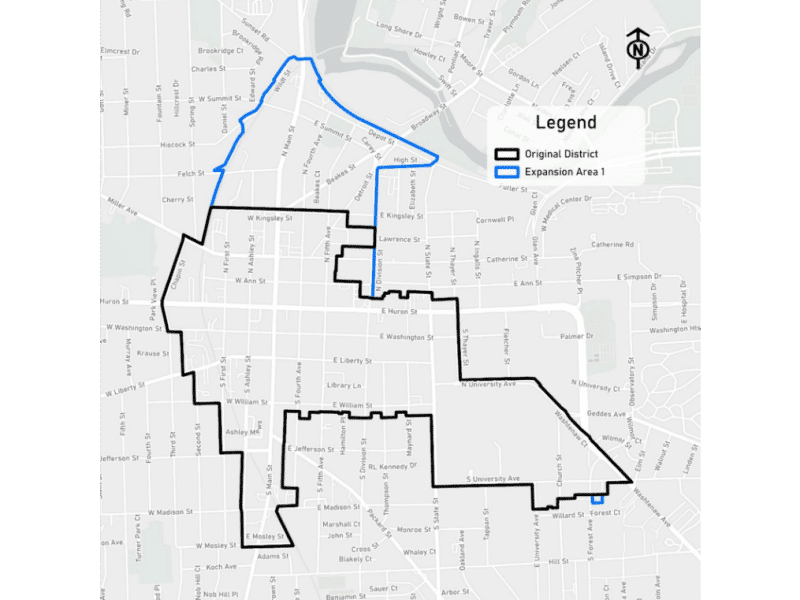
The goal of the Ann Arbor Downtown Development Authority’s expansion is to strengthen connections between downtown, the Huron River, and Ann Arbor’s North Side.
Ypsilanti African-American cemetery is being rehabilitated after decades of disrepair
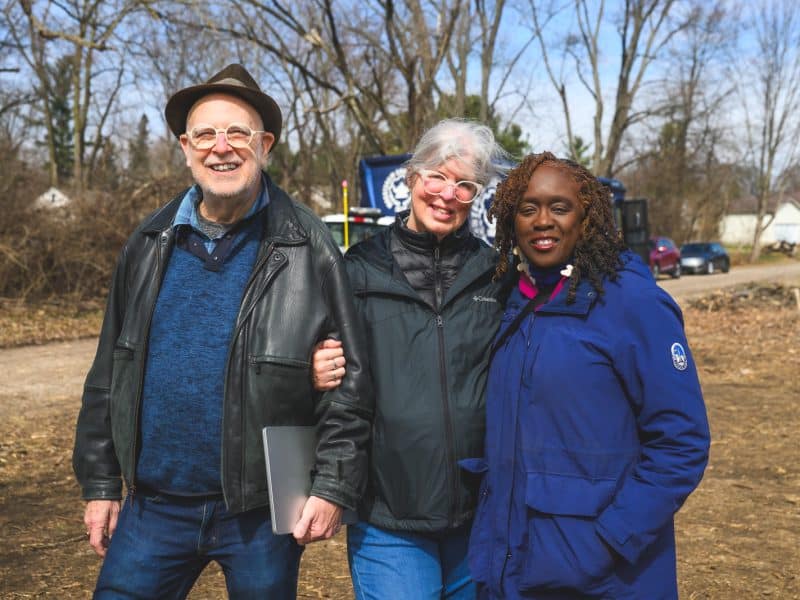
The African American Cultural and Historical Museum of Washtenaw County has been cleaning up Woodlawn Cemetery and working to identify lost graves.


