
Ascenta Therapeutics partners with U-M
Ascenta Therapeutics has its roots in Ann Arbor and the University of Michigan, so it’s no wonder the Philadelphia-area-based firm is returning to its roots to grow the business.The clinical-stage biopharmaceutical company was founded by U-M graduates in 2003 before eventually moving to Pennsylvania. It now employs 20 people and has reached back to Ann Arbor to form a research partnership with the university that has the potential to grow.”It’s an ongoing, open-ended operation,” says Mel Sorensen, president and CEO of Ascenta Therapeutics. That partnership is between Ascenta Therapeutics and the University of Michigan Comprehensive Cancer Center, where a couple of university researchers are designing a small molecule that is highly effective at inhibiting the interaction between cancer cell proteins in cell cultures. The idea is to use the molecule for a drug that kills cancer cells while causing minimal damage to normal cells. Research on this is ongoing, but Ascenta Therapeutics is optimistic about its potential.Source: Mel Sorensen, president and CEO of Ascenta TherapeuticsWriter: Jon Zemke
Ascenta Therapeutics has its roots in Ann Arbor and the University of Michigan, so it’s no wonder the Philadelphia-area-based firm is returning to its roots to grow the business.
The clinical-stage biopharmaceutical company was founded by U-M graduates in 2003 before eventually moving to Pennsylvania. It now employs 20 people and has reached back to Ann Arbor to form a research partnership with the university that has the potential to grow.
“It’s an ongoing, open-ended operation,” says Mel Sorensen, president and CEO of Ascenta Therapeutics.
That partnership is between Ascenta Therapeutics and the University of Michigan Comprehensive Cancer Center, where a couple of university researchers are designing a small molecule that is highly effective at inhibiting the interaction between cancer cell proteins in cell cultures. The idea is to use the molecule for a drug that kills cancer cells while causing minimal damage to normal cells. Research on this is ongoing, but Ascenta Therapeutics is optimistic about its potential.
Source: Mel Sorensen, president and CEO of Ascenta Therapeutics
Writer: Jon Zemke
Related Articles

Free “Skate Day” for Ypsi kids celebrates end of school year
Ypsilanti’s Corner Health Center is inviting local youth to celebrate the end of the school year and the beginning of summer by enjoying free roller-skating at the inaugural Ypsi Skate Night.
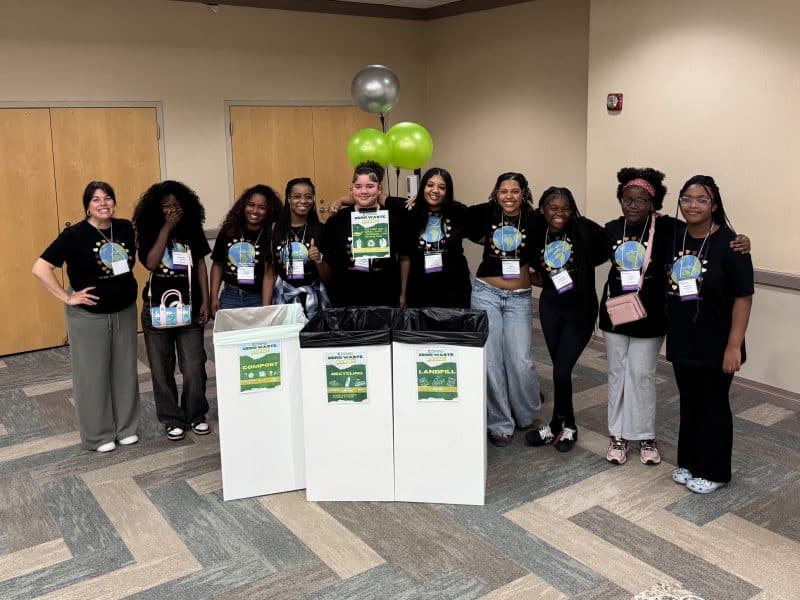
Students lead successful effort to reduce waste at annual forum at EMU
Eastern Michigan University (EMU) students spearheaded a recent effort to transform the annual Southeast Michigan Stewardship Coalition Community Forum into a zero-waste event for the first time.

Q&A: New EMU President Brendan Kelly on enrollment, parking, AI, student service, and more
Five weeks into his new job, we sat down with Eastern Michigan University (EMU) President Brendan Kelly to discuss his plans for the future of EMU, his alma mater.


